


Cart
0
News

Types of Night Vision Goggles, Sorted by What Is Inside
Monocular, binocular and quad is how night vision gets sold. It is not how it works. Sort a goggle by tube count, by how many optical channels reach your eyes, and by how the pods are held together, and the differences in price, weight and capability stop being mysterious and start being predictable.

Night Vision Tube Price: What a FOM Point Actually Costs
Someone finds a used tube or a monocular from a small seller and wants a sanity check on the asking price. Rather than answering with it depends, this isolates each feature against a real price ladder so that gating, phosphor, figure of merit and gain interface each carry their own number, and any offer can be measured against them.
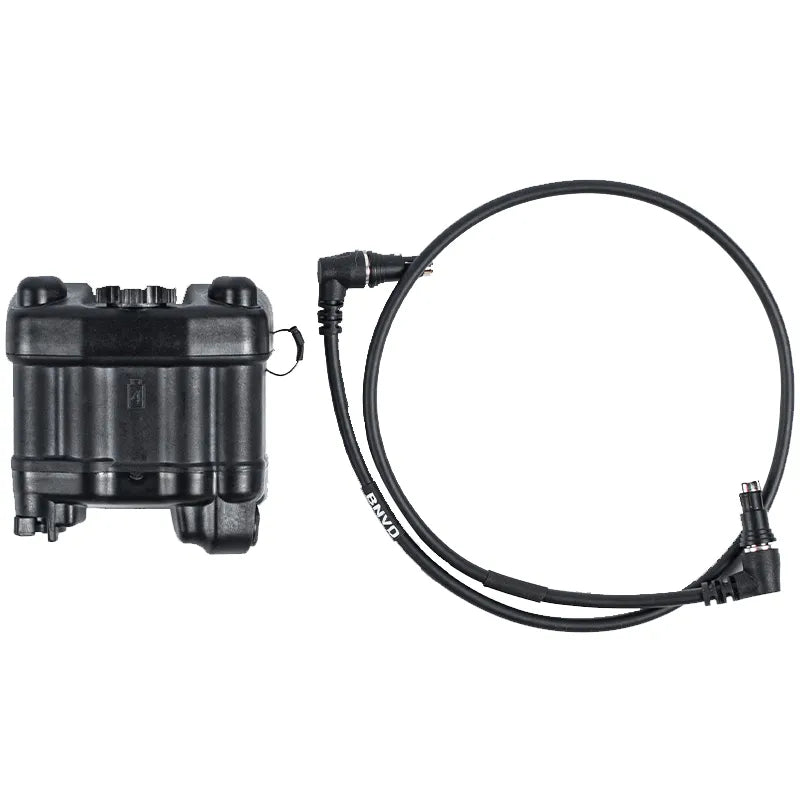
The Night Vision Battery Pack: Runtime, Balance and Beacon
The pack that ships with our binocular and panoramic combo sets does three separate jobs, and most owners only ever use one of them. This covers the full specification, which goggles it powers, how to route the cable so it survives, what to do about cells, and what happens when the knob comes off.

Night Vision Purge Service: What a Proper Job Includes
A recurring forum post runs: I have a goggle, it needs cleaning and a purge, and I do not know which companies are the good ones. The honest answer is that purging is one step of a six-step service, and the way to judge a shop is to ask what the other five are. Use this as a checklist for anyone you send a goggle to.

PVS-31 Field Strip: What Quick-Disassembly Lenses Really Do
Legacy binoculars in this pattern were built to be serviced at depot level. Ours was designed the other way round, with lenses and tubes that come out for maintenance without sending the goggle away. That sentence gets quoted often and explained rarely. This is what it means in practice, and equally important, what it does not mean.

MX-10160 vs MX-11769: Which Tube Fits Your Housing?
Buyers ask which tube performs better far more often than they ask which tube physically fits, and the second question is the one that ruins orders. Both are 18 mm image intensifiers and they are not interchangeable parts. This guide covers what the two drawing numbers define, which housings take which, and how to identify a tube already in your hands.